
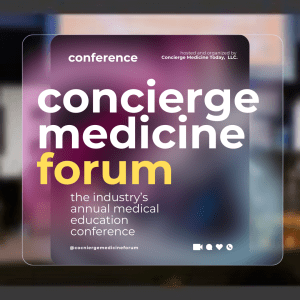
ANNUAL INDUSTRY CONFERENCE
October 15–17, 2026 · Atlanta
See the conference · Get tickets
FOR SPONSORS • EXHIBITORS
October 15–17, 2026 · Atlanta
Request Prospectus • Supporters • Apply
PRACTICE DECISION TOOLS
FOR Doctors, Specialists, NPs
Calculators • Marketing • Patient Study • See all tools
RESEARCH & PROOF
National Stats, Industry Research
Research Briefs • Visuals • Legal Op • Natl Stats
CMT Leadership Brief No. 16 · Physician Wellbeing
Sleep, Recovery & Physician Leadership
Editorial, observational, educational, not prescriptive. Why sleep and recovery increasingly sit at the center of clinical decision-making, patient experience, and practice sustainability in membership-based medicine.
Why Now
Why Sleep & Recovery Now Matter at the Leadership Level
Let's start with something most physicians already know, but rarely say out loud. Across healthcare, conversations about burnout, sleep, and workforce sustainability are everywhere. Conferences talk about it. Journals publish on it. Podcasts dissect it. And yet, for many physicians, practical solutions still feel just out of reach.
For those practicing in membership-based and relationship-centered care, concierge medicine and similar models, the connection between sleep, recovery, cognitive clarity, and leadership effectiveness is becoming harder to ignore. Sleep and recovery aren't simply personal wellness topics. They increasingly sit at the center of consistent clinical decision-making, patient experience, professional longevity, and overall practice sustainability.
The Connection
The Relationship Between Recovery and Clinical Performance
A growing body of research continues to explore the relationship between sleep, fatigue, and cognitive performance. While every physician's circumstances and workload differ, it is widely acknowledged that sustained sleep deprivation and chronic fatigue can influence attention, processing speed, emotional regulation, and complex decision-making. That matters in any profession. It matters even more in medicine.
In membership-based models, where physicians often care for smaller panels and develop deeper longitudinal relationships, the quality of each interaction carries even greater weight. When physicians consistently operate without adequate recovery, clinical decision-making can become more taxing, emotional and cognitive bandwidth may narrow, patient communication and presence may suffer, and long-term professional satisfaction and retention may decline.
Conversely, observations across many relationship-based practices suggest that when recovery and sustainable workload design are prioritized, physicians often report stronger continuity of care, deeper patient relationships, and greater professional stability over time.
The Opportunity
Membership-Based Care and the Opportunity for Sustainable Design
Membership-based and concierge practice models offer structural opportunities that differ from many traditional volume-driven systems. Smaller patient panels, redesigned scheduling approaches, and intentional communication frameworks can create environments more supportive of physician sustainability, when thoughtfully implemented. That said, no model is immune to poor design. Without clear boundaries, intentional workflow planning, and leadership attention to recovery and capacity, physicians in any setting can still find themselves operating in unsustainable ways. Access without structure eventually becomes strain. Availability without boundaries eventually becomes exhaustion.
Forward-thinking practice leaders are increasingly exploring scheduling models that support cognitive recovery and continuity, communication protocols that balance accessibility with sustainability, team-based approaches that distribute workload appropriately, and practice cultures that recognize recovery as a professional responsibility. The goal is not to reduce access or clinical excellence. The goal is to sustain both over time.
A Structural Shift
From Burnout Awareness to Practice Design
For years, physician burnout has often been framed as an individual resilience issue. More recently, many healthcare leaders have begun to recognize that structural and operational factors play a significant role in long-term professional sustainability. In other words, this isn't only about coping better. It's about designing better. A subtle but important shift is underway: from awareness to intentional design, from reaction to prevention, from individual coping to organizational structure.
Applying It
Practical Considerations for Practice Leaders
There is no single template that fits every practice. Still, several themes continue to emerge among physicians and leaders focused on long-term sustainability.
01
Intentional scheduling and workload design
Schedules that allow for cognitive recovery and continuity of care can support more consistent clinical performance and patient experience.
02
Clear access and communication expectations
Reasonable communication boundaries and response expectations help maintain accessibility while protecting physician sustainability.
03
Team-based support
Effective delegation and team-based care models allow physicians to practice at the top of their license while maintaining appropriate recovery time.
04
Leadership reflection and self-assessment
Periodic reflection on workload, capacity, and practice structure can help identify opportunities for adjustment before challenges become entrenched.
05
Culture and professional norms
Practices that openly acknowledge recovery and sustainability as professional priorities often foster more resilient teams and more stable long-term environments.
None of this requires perfection. But it does require intention.
Looking Ahead
Thoughtful Progress, Not Perfection
As healthcare continues to evolve, the sustainability of the physician workforce remains a central concern across all practice models. Membership-based and relationship-centered practices have a meaningful opportunity to lead by example in designing environments that support both clinical excellence and long-term professional fulfillment. Sleep and recovery will likely remain important parts of this conversation, not as isolated wellness topics, but as leadership and practice design considerations that influence patient care, team performance, and the future of modern medicine.
Creating practice environments where physicians can deliver high-quality care consistently over time, while maintaining the clarity, presence, and professional satisfaction that drew many to medicine in the first place, may be one of the most important leadership challenges, and opportunities, facing modern healthcare today.
Editorial Note and Disclaimer
This resource is provided by Concierge Medicine Today for educational and informational purposes only. Content reflects editorial perspectives, industry observations, and publicly available research, and is not intended as medical, legal, financial, or professional advice. Physicians and practice leaders should evaluate all clinical, operational, and business decisions independently and in consultation with appropriate professional advisors. © 2026 Concierge Medicine Today, LLC.